
What We See of One Another

Excerpt from Blurb publication by the same title: https://www.blurb.com/b/12459441-what-we-see-of-one-another
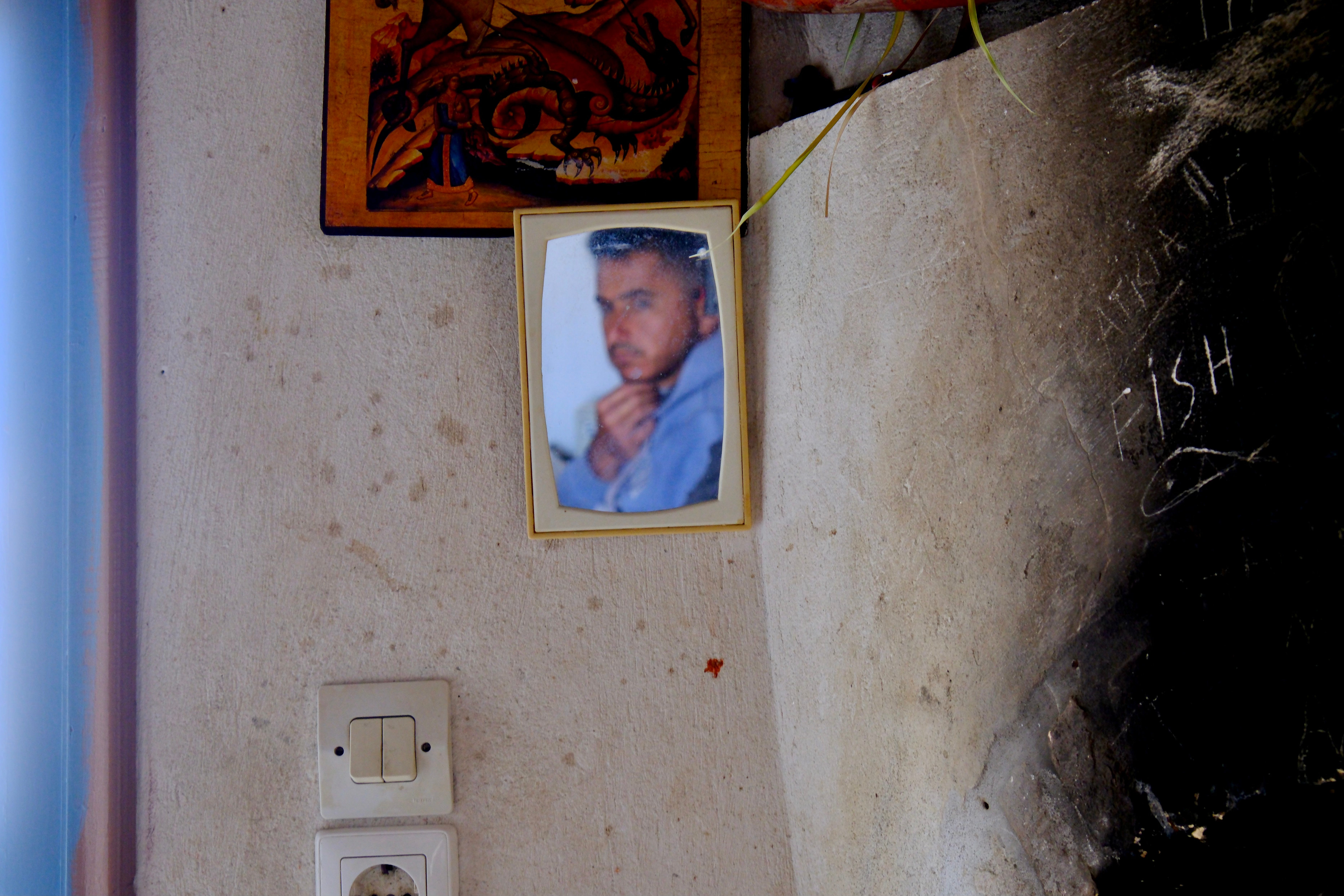
Manos, Aliki, Greece
[…]
Whatever limitations we might find to be part of the medium may also be limitations of our own seeing, our ability or inability to relate what we perceive as images of the world we inhabit. Although bringing together the terms nature and photography is not conventionally obvious, what I want to suggest by their approximation is their connection to the world not as artifacts of human activity and social constructs, but as manipulations of processes through which we attempt to otherwise remedy conflictual relationships.
Already with the emergence of photography, questions regarding its validity in representing “reality” quickly became a pertinent and long-standing subject of discussion. With the advent of digital photography, the question was rendered more complex, generated even more discussion, and posed further questions as to the medium's reliability.
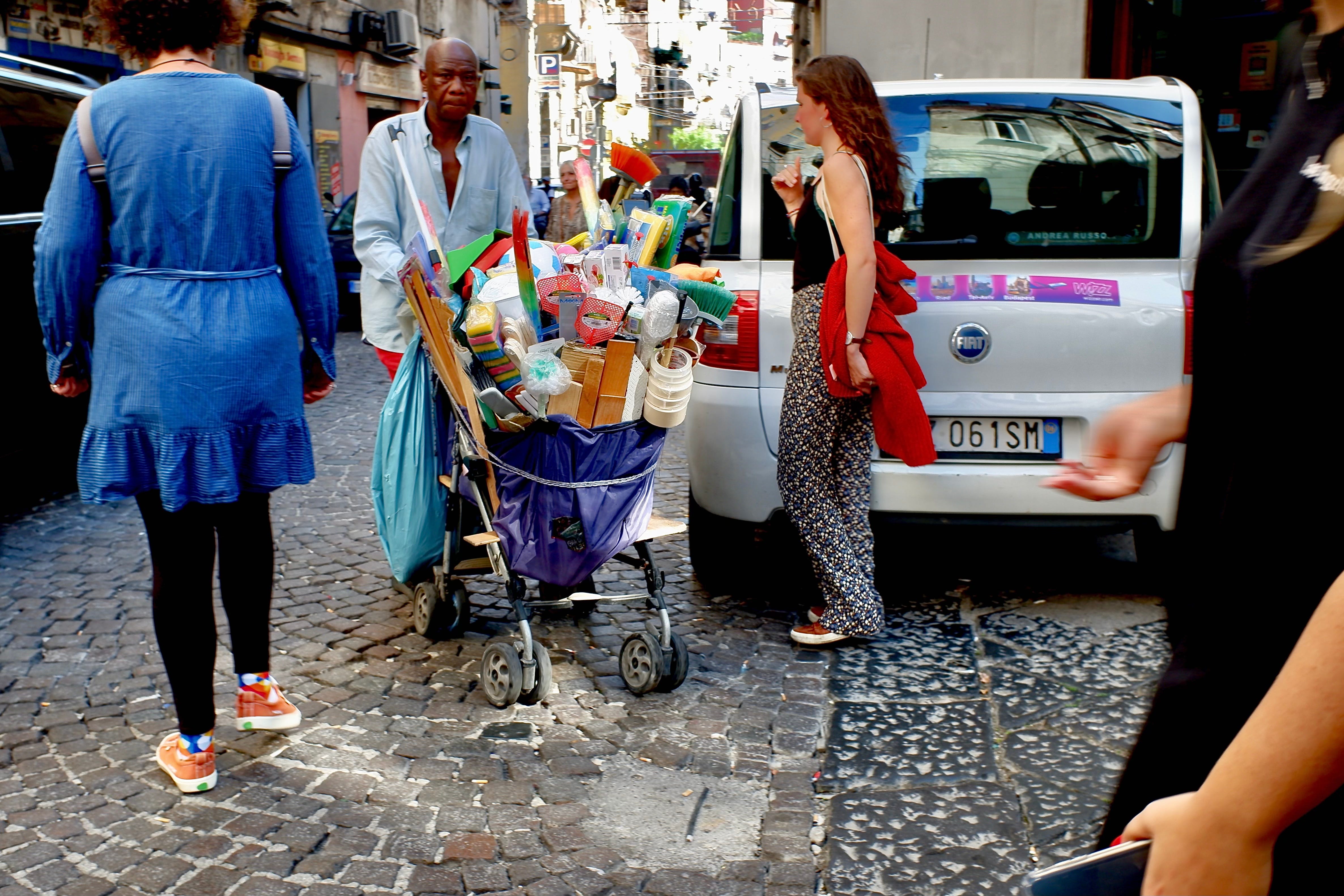
Napoli, Rione Sanità
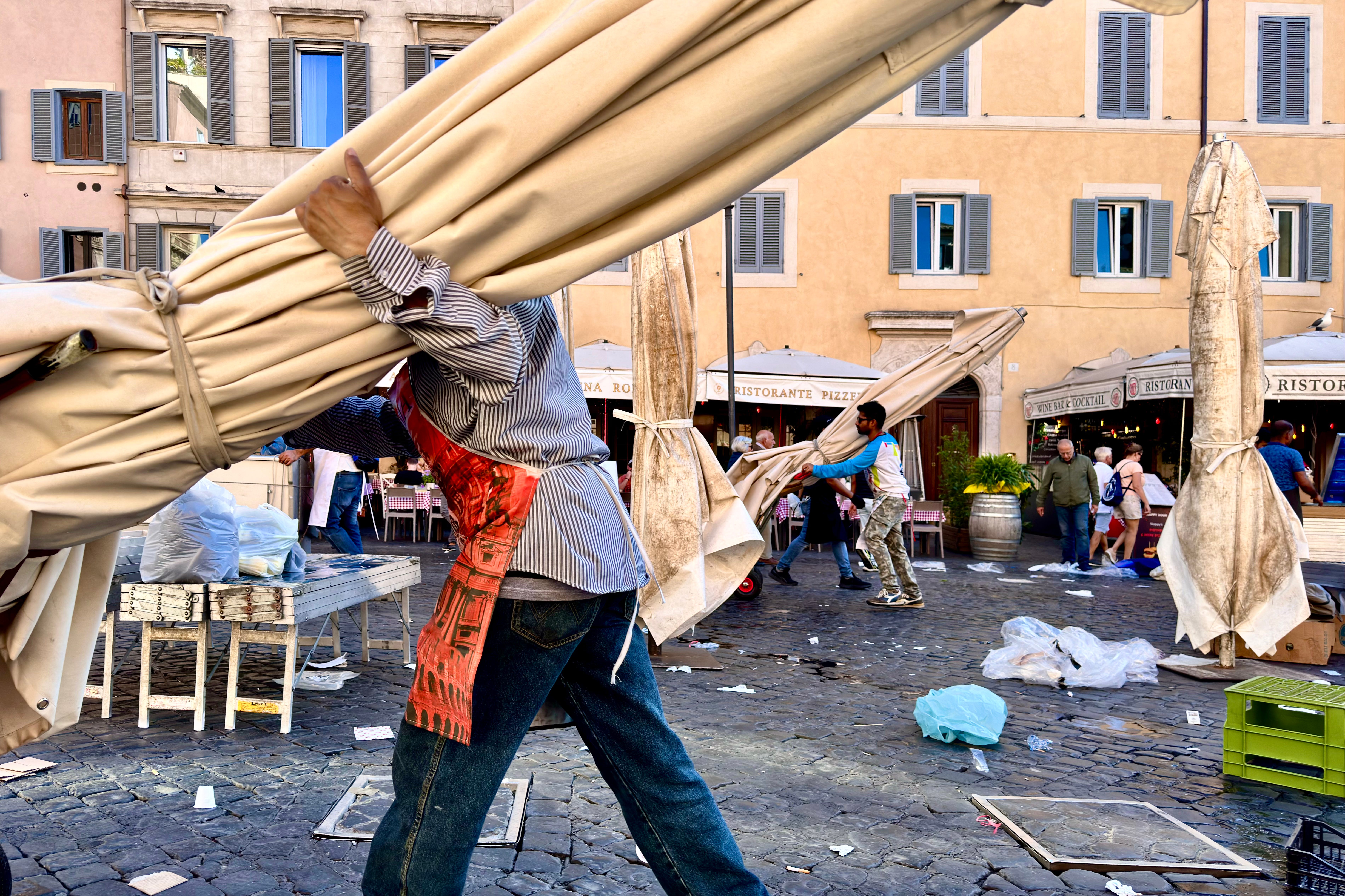
Market, Campo dei Fiori, Roma
Here it might be useful to again reference McLuhan's sense of the "tactile" through which to consider how receptive we might be to the promises of the concepts in question. Even the processes involved in taking a photograph too often overlook the minimal lapse between visualization and actualization. The slight changes that take place while recording the image, between seeing, releasing the shutter, and the speed at which it responds to gather light, define a distance that could be said to represent the subtraction of "tactility," or the resistance on the part of technology to acquiesce to human desires. The illusory aspect of control over what image is recorded via the directional suggestion of the eye, negates the illusion of control and definability of what Cartier Bresson called the decisive moment, and imbues the subject with an autonomy by which it can generate emotional responses of its own.
Photographic media have changed in their jump from analogic to digital and, as one might expect, the nature of the image itself has drastically gone from an analogical recording of a presence to the construction of the image through a series of accumulations. None of the pixels that structure an image are fully representational of the thing being recorded. While giving the image a certain amount of extra or hyper autonomy, digital images have also introduced additional elements of doubt in representation. In other words, the pixels are numeric elements that are an image only in their collaborative accumulation of contained information. This shift has transformed photography into an even more emphatic mode of communication, rather than representation.
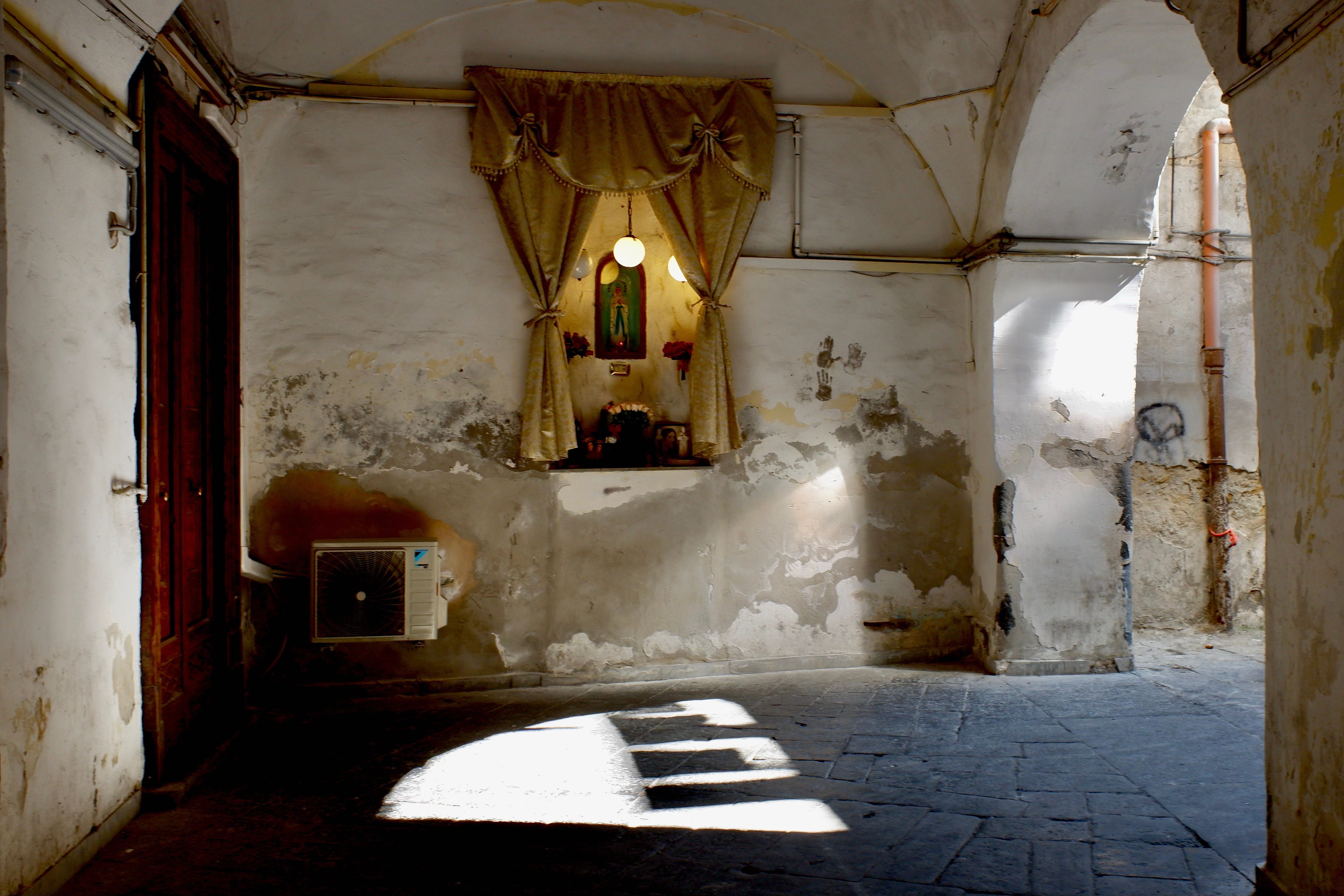
Napoli, Rione Sanità
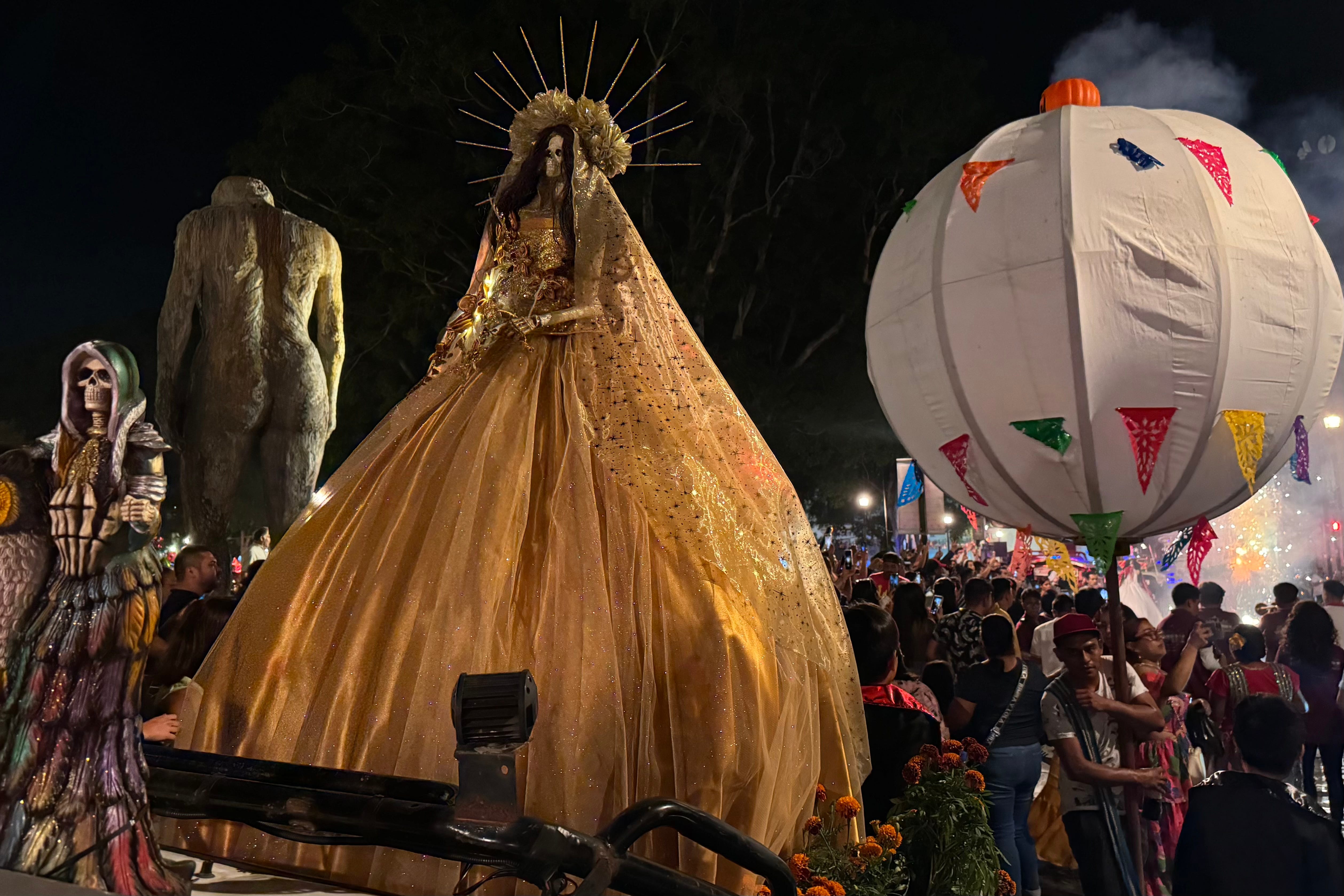
Day of the Dead Festivities, Oaxaca, Mexico
Photographs may have somewhat lost their status as document, but perhaps their status as statements of beinghas gained by the same measure. The document aspect could perhaps be said to no longer be fully functional, as it is not meant to remain as testimony to anything but the momentary or temporary. This new sort of document is of an event that is quickly surpassed by another event, and another, and yet another, all of them functioning as individual moments rather than testimony to a sequence. This notion is supported by the millions upon millions of photographs and digital images that are recorded each day and left uncirculated and unseen.
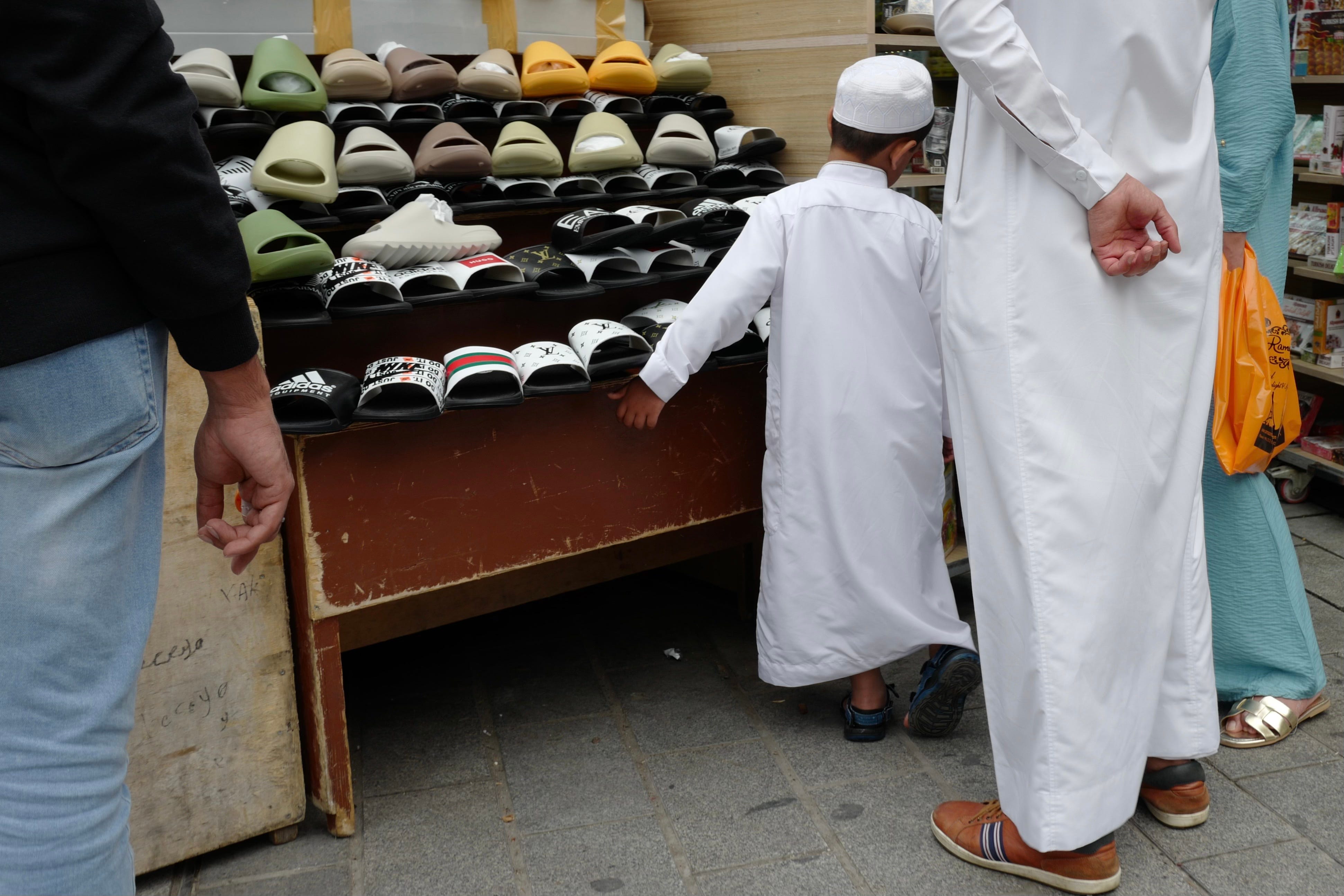
Bazaar, Istanbul, Turkey
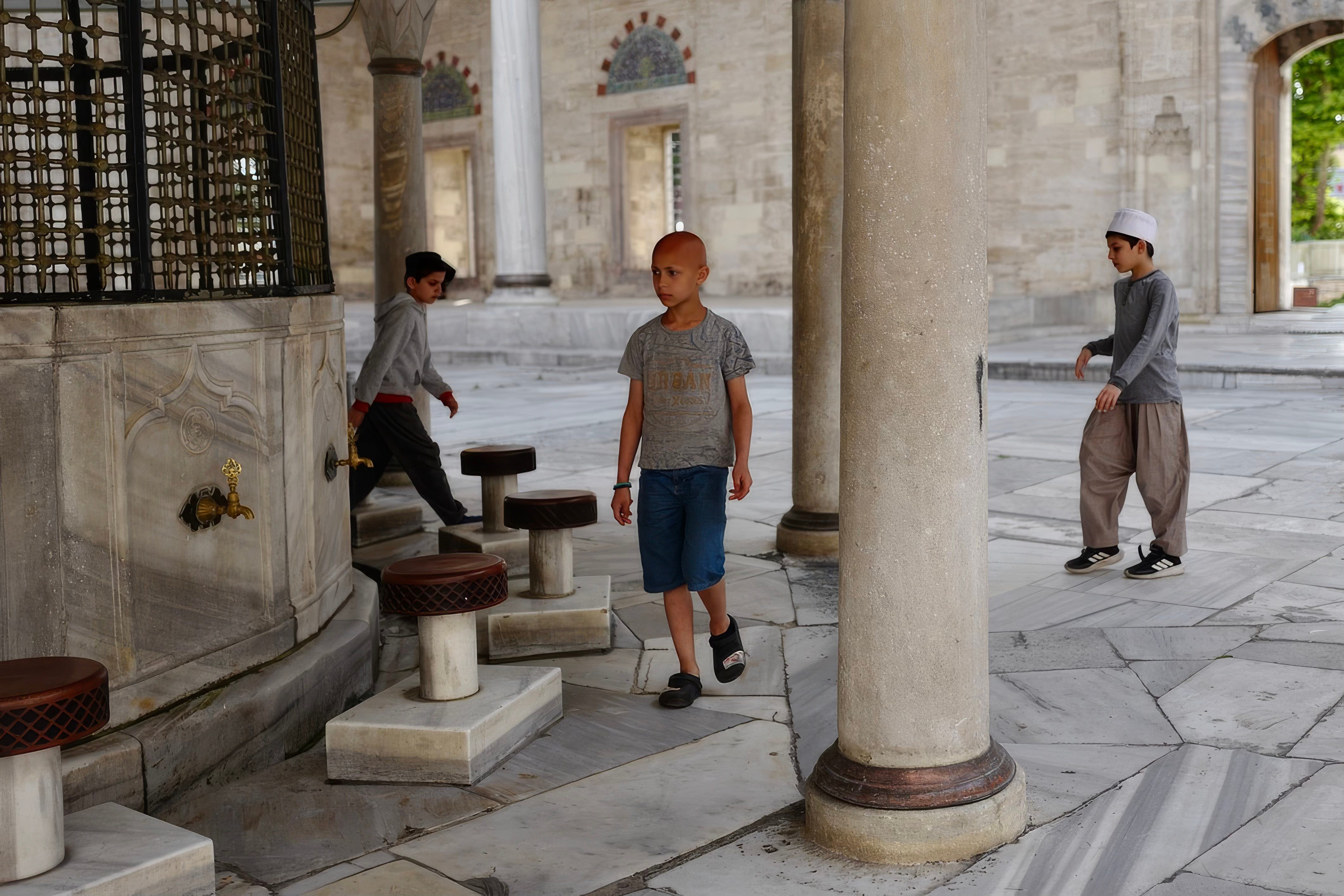
Yavuz Sultan Selim camii, Mosque in Fatih, Balat, Istanbul, Turkey
As an attempt to “understand” how photography continuously contributes to an ever-growing yet syntax-less visual language. I will conclude these fragmented thoughts by paraphrasing the Italian photographer Luigi Ghirri: perhaps our existence belongs to the present. Perhaps images are awaiting a new vocabulary, one that expresses new figures, since the ones we know are worn out and represent changes in life. In all this there is a sort of state of necessity, so that what we speak of and photograph is transformed, and no longer remains of place without history or geography.[i]
[i] Luigi Ghirri. Lezioni di fotografia, a.c. di Giulio Bizzarri e Paolo Barbaro; con uno scritto biografico di Gianni Celati. Macerata: Quodlibet Compagnia Extra, 17, 2011.